
Do You Lose Nipple Sensitivity With Breast Implants?
Nipples will likely be numb, but most women get their original sensitivity after 3 months. Read on to put your nerves at ease.

Nipple Sensation After Breast Augmentation Surgery
This is a hot topic in the Bustmob Community, a private space for women to learn about plastic surgery and connect with other women also on the breast implant journey.
We see women constantly polling the group asking, “Did you lose nipple sensitivity after your breast augmentation? Gain sensitivity?”
The truth is everyone’s recovery and experience are very different. So, unfortunately, there isn’t a definite yes or no when it comes to nipple sensitivity and breast implants.
However, it’s important to know that although it is a small risk, it is possible to have changes in sensitivity or lose sensitivity all together. Again, it isn’t common, but it is worth knowing that changes in nipple sensitivity are possible.
Here’s what you can expect.
For the first 3 months after your surgery, your nipples and breasts will likely be numb and hard. Although a completely normal part of the recovery process, to be totally honest, it can be pretty uncomfortable and look a bit weird.
We know. No one wants to hear this, but recovery is a very real part of breast augmentation. The recovery process isn’t overnight. In fact, it takes up to 12 months for women to see their final results and for their scars to completely heal after their breast implant surgeries.
We want you to be prepared with realistic expectations so you can feel confident each step of the way.
Before you panic, we have some good news–after that 3-month mark, your nerves and swelling calm down and you’ll start to gain back your sensitivity. For some women it’s a little more, others a little less, but for most, it’s around the same as before the procedure.
Is sensitivity important to you?
Don’t be afraid to talk to your plastic surgeon about your concerns. At your consultation, they will do an exam and create your surgical plan. Based on your goals, the amount of breast tissue you have, and your anatomy, they’ll be able to talk to you about your unique risks and benefits.
Take some comfort in knowing there are some things you can do to reduce your risk of losing nipple sensitivity. One of those is the type of incision you have. The two most common breast augmentation incisions are:
- Crease incision
- Periareolar incision
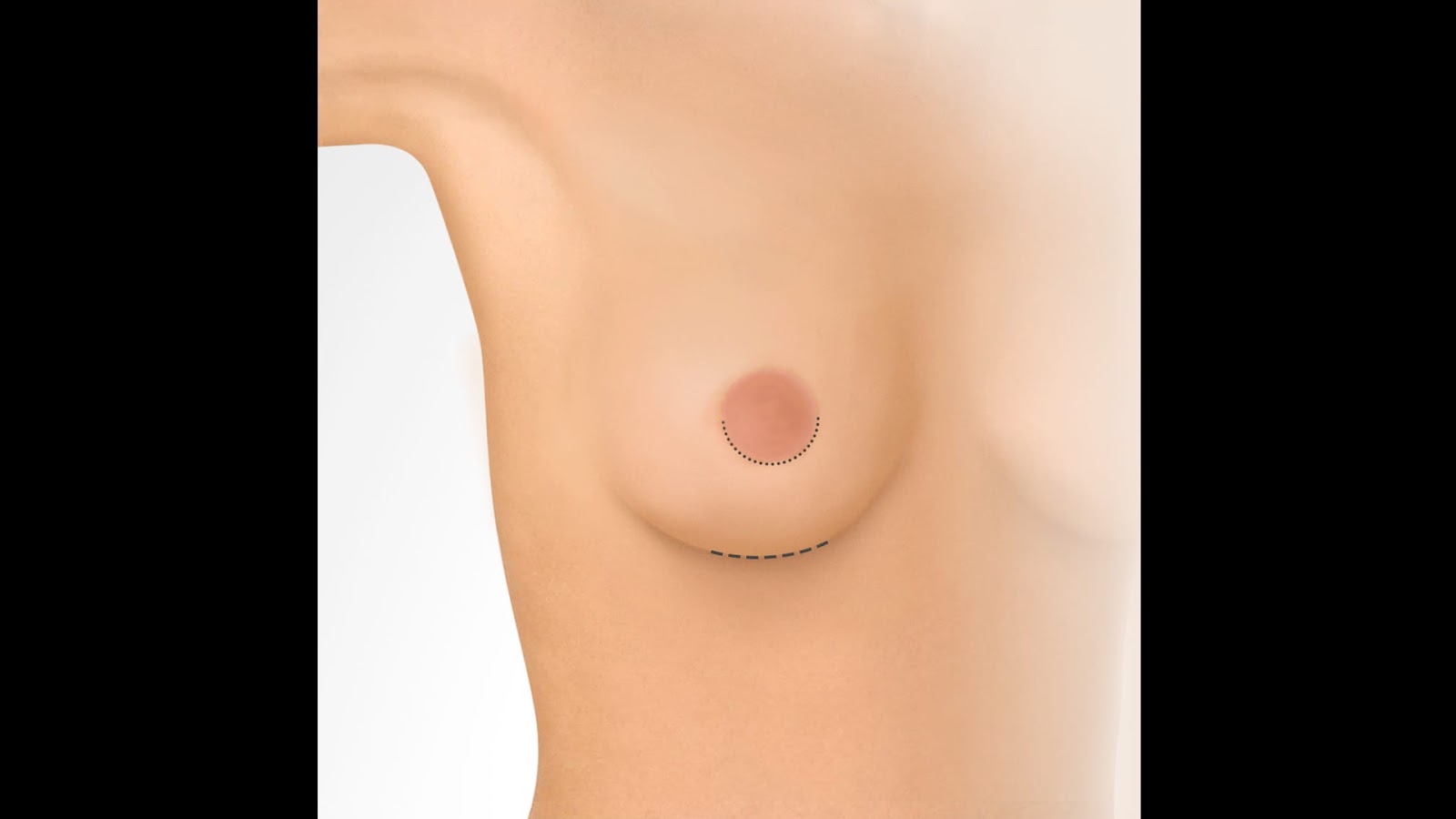
The crease incision, also known as the inframammary incision, goes along the crease of the breast where the bottom of the breast meets the abdomen. Using a crease incision bypasses a lot of the milk ducts and nerves, lowering the chances of disrupting them.
The periareolar incision that goes around the areola, on the other hand, has a higher risk of damaging nerves and milk ducts.
In some cases, your breast implant size can also play a role. Be sure to have any questions or concerns ready for your consultation. The goal is for you to walk out of your consultation feeling confident and ready for your big day with no lingering “what ifs.”
More Posts

Mammograms, Breast Implants, & Breast Health FAQ
Confused about mammograms and implants? Learn what actually matters for early detection, screening safety, and protecting your long-term health.

Meghann’s Lower Facelift + Chin Implant Story
I didn’t wake up one day and decide I wanted facial surgery — it was something I carried for years before I finally chose to do it for me.

Who Is a Good Candidate for a Tummy Tuck?
Have some excess fat around your core? Loose skin? Muscle separation? Stretch marks? Guess what! You may be a tummy tuck candidate.


